APBD Research Foundation 2025 Rally for Research Grant Series: UTSW Medical Center Scientist Awarded Pilot Grant to Evaluate Treatment for an Allied Disease in APBD
April 30, 2026
The APBD Research Foundation is pleased to announce the second of our 2025 Rally for Research Pilot Grant Program recipients: Mayank Verma, MD, PhD at UTSW Medical Center. His research project is entitled Preclinical Validation and Biomarkers in APBD of a GYS1-ASO Currently in Phase 1 Clinical Trial for Lafora Disease
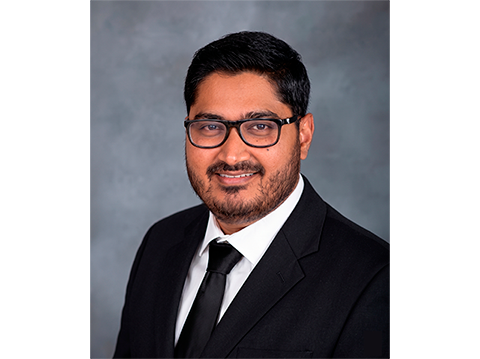
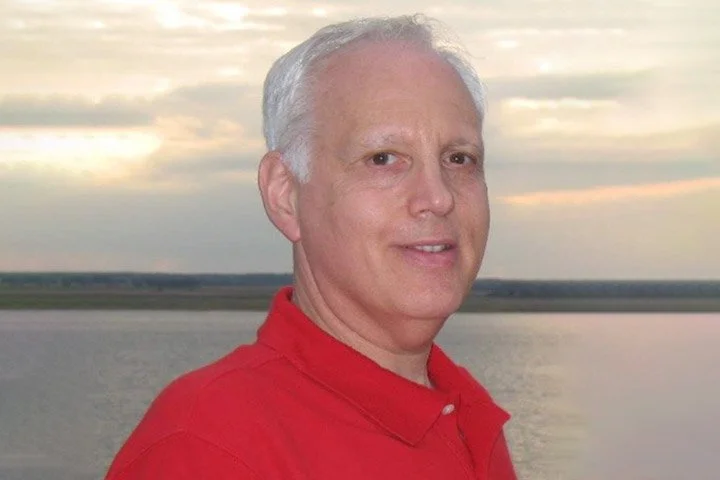
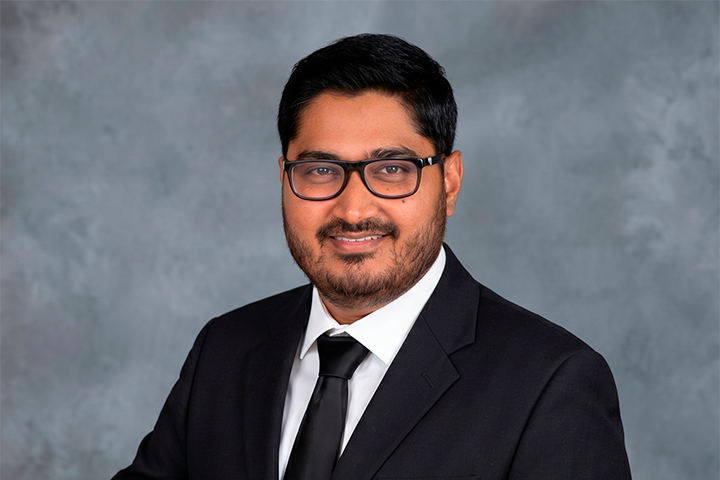
Dr. Mayank Verma
Every year, the APBD Research Foundation works to raise funds to support pilot grants from scientific and clinical researchers. In 2025, the APBD Rally for Research campaign raised $150,000 from 287 donors to support 1-year APBD pilot research studies.
In February, the Foundation announced its first 2025 Rally for Research grant. This month’s grant supports Dr. Verma’s preclinical treatment development research.
With this research grant, Dr. Verma seeks to evaluate the potential for glycogen synthase (GYS1) as a treatment target for APBD. Glycogen synthase is the enzyme encoded by the GYS1 gene and is involved in the accumulation of polyglucosan bodies.
Using a specialized APBD mouse model, he seeks to establish whether a GYS1-inhibiting antisense oligonucleotide (ASO) developed for Lafora Disease, ION283, can reduce polyglucosan bodies and serve as a treatment for APBD.
Mayank Verma, MD, PhD is an Assistant Professor at UT Southwestern Medical Center in the Department of Pediatrics. He is an early-career investigator, actively establishing his research lab to study GSD IV, APBD, Lafora Disease, and other genetic neuromuscular disorders. Dr. Verma previously trained as a fellow with Dr. Berge Minassian. In 2024, he received a University of Pennsylvania Million Dollar Bike Ride grant as a Co-Investigator with Dr. Felix Nitschke (UTSW) and Dr. Nirbhay Yadav (JHU) to investigate novel biomarkers for APBD.
“Reducing the glycogen synthase enzyme has been shown in animal studies to be a promising treatment strategy for APBD. The opportunity to build upon the clinical path of ION283 for Lafora Disease and expand to APBD holds the potential to provide a treatment to APBD patients faster,” explained Dr. Verma.
APBDRF Co-President, Jeff Levenson stated, “APBDRF is focused on moving promising treatments already in clinical trials for other diseases into the clinic for our patient community. Collaborating with allied conditions — such as Lafora Disease and other neurological glycogen storage diseases — creates shared research opportunities that benefit patients across all these communities. Dr. Verma’s work on ION283 connects these communities and has that potential.”
RELATED ARTICLES:
Editor’s Note: This article is the second in a series announcing the 2025 APBDRF-funded research through our Rally for Research Pilot Grants program. We look forward to introducing the funded researchers and announcing their projects as soon as the grant agreements are finalized. The APBDRF is grateful for administrative support from the UPenn Orphan Disease Center’s JumpStart program in managing the announcement, submission, and review processes for our 2025 pilot grant program, as well as the reviewers who donated their time to provide feedback on the submitted proposals. Most importantly, we’re thankful to our Board, patients, family members, and friends for their generous donations and continued support of APBD and GSD IV research!
Updated 5/22/2026