Developing a "Disease Concept Model" for APBD -- a Collaborative Research Initiative
March 31, 2026
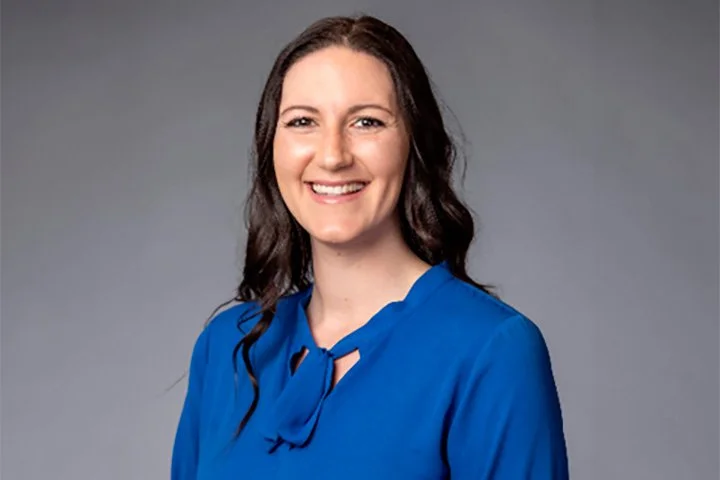
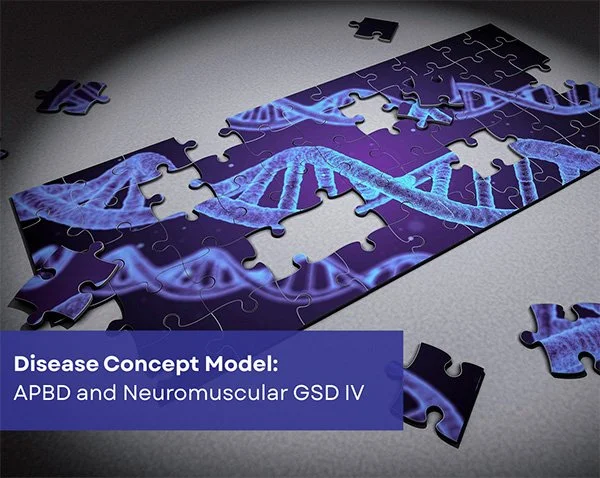
Working in collaboration with COMBINEDBrain and our Foundation, Holland Whitaker -- a Genetic Counseling student at the University of North Carolina at Greensboro -- will focus her master’s thesis on developing a Disease Concept Model (DCM) for APBD and other neuromuscular forms of GSD IV.
Four community members are participating in the practice session right now. We will be sharing additional information on how you can volunteer for this research study soon.
The goal of a DCM is to provide a comprehensive picture of a disease that incorporates the experiences of both patients and caregivers, as well as the expert knowledge of the clinical and research communities. The DCM can highlight specific challenges experienced by patients and caregivers, the symptoms that have the greatest impact on patient quality of life, and symptoms that often are under-reported by doctors and researchers. It also provides a roadmap to what would constitute improvement(s) in the disease as defined by patients. As a research tool, it helps bridge the gaps in medical knowledge, define key clinical endpoints, and align research with patient priorities. A DCM can also help support clinical trials by outlining ways to evaluate the effectiveness of a new treatment, with or without other biomarkers.
Creating a DCM entails the following:
Developing an interview guide using information about APBD from the scientific literature
Interviewing a diverse set of people with knowledge of the condition (patients, caregivers, clinicians, researchers, etc.) using the interview guide
Working with the data collected from the interviews to write up the findings for publication in a scientific journal.
Natacha Pires, MS -- the APBD Research Foundation’s Executive Director -- shared, “Developing this research resource will help us identify key disease symptoms as treatment targets and find optimal timepoints for treatment interventions. Most importantly, it will aid in the translation of the patient community’s experiences into clinical trial outcomes. This will be invaluable to our collaborations with researchers, industry partners, and regulatory agencies (such as the US Food & Drug Administration) to launch clinical trials.”