APBD Research Foundation 2025 Rally for Research Grant Series: UCLA Scientists Awarded Pilot Grant to Discover New APBD Biomarkers
February 24, 2026
The APBD Research Foundation is pleased to announce the first of our 2025 Rally for Research Pilot Grant Program grant recipients: Gal Bitan, PhD and Brent Fogel, MD, PhD.

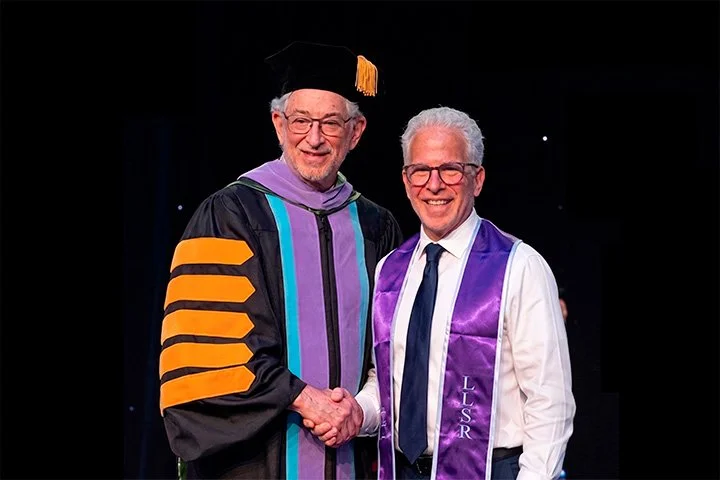
From left to right: Dr. Gal Bitan and Dr. Brent Fogel
Since 2005, the APBD Research Foundation has raised and awarded nearly $2 million in pilot research grants with the help of our community and UPenn’s Million Dollar Bike Ride (MDBR) program. In 2025, our Foundation launched its inaugural APBD Rally for Research campaign, raising $150,000 from 287 donors to support 1-year APBD pilot research studies.
Research is crucial to expanding our knowledge of APBD, discovering biomarkers that can improve the diagnostic odyssey and support drug development, identifying treatments, and making therapies a reality for individuals living with APBD.
Drs. Gal Bitan and Brent Fogel | University of California, Los Angeles
Research Grant Project: New Biomarkers for Adult Polyglucosan Body Disease
Gal Bitan, PhD and Brent Fogel, MD, PhD are Professors of Neurology in the David Geffen School of Medicine at UCLA. Dr. Bitan focuses on understanding the molecular and biochemical mechanisms of protein aggregation associated with neurodegenerative diseases. He and his team also work to develop novel biomarkers and therapeutics for these diseases. Dr. Fogel is a neurogeneticist and a neurodegenerative disease specialist who cares for one of the larger cohorts of patients with APBD in the US.
Dr. Bitan and Fogel’s proposal involves collaboration with APBD clinical experts at multiple academic institutions, including Francisco Caiza-Zambrano, MD (Hospital Británico de Buenos Aires in Argentina) to support patient biosample and health data collection.
The pilot biomarker study will use a highly sensitive protein assay to measure 42 brain biomarkers in the blood of patients with APBD, early-onset GSD IV, and APBD patients who have received the GHF-201 drug through Israel’s compassionate use program. The proposal seeks to identify biomarkers that can improve the diagnosis of APBD and capture disease progression, as well as be used as outcome measures to determine the effectiveness of new therapies.
Dr. Bitan explained, “APBD is largely defined by neurological symptoms, meaning that a brain originating biomarker may have the greatest chance of helping to diagnose or capture the state of progression of the disease. Biomarkers are difficult to measure directly in the brain of patients. Yet research has shown that, using specialized methodologies, many brain proteins can be measured in the blood in neurodegenerative disease. We plan to leverage this opportunity to find sensitive biomarkers for APBD.”
Lindsay Gill, PhD, the APBDRF’s Research Manager, stated, “Research is the key to finding better treatments and a cure for APBD. Funding research studies paves the way to our improved understanding of what causes APBD and how to define and characterize it through biomarkers. I am thankful that our community recognizes the value of our research programs and continues to support it. This awarded proposal has the potential to make a significant impact on APBD and build upon the body of research that the Foundation has supported for the last 20 years.”
RELATED ARTICLES:
Editor’s Note: This article is the first in a series announcing the 2025 APBDRF Rally for Research grant recipients and projects. The Foundation looks forward to announcing the funded researchers and their projects as soon as the grant agreements are finalized. The APBDRF is also grateful for administrative support from the UPenn Orphan Disease Center’s JumpStart program in managing the announcement, submission, and review processes for our 2025 pilot grant program, as well as the reviewers who donated their time to provide feedback on the submitted proposals. Most importantly, we’re thankful to our Board, patients, family members, and friends for their generous donations and continued support of APBD and GSD IV research!
Updated 5/22/2026