Matthew Gentry, PhD Receives Oxford-Harrington Rare Disease Centre’s 2025 Rare Disease Scholar Award to Advance Enzyme Therapy for Neurological Glycogen Storage Diseases
Dec. 6, 2025
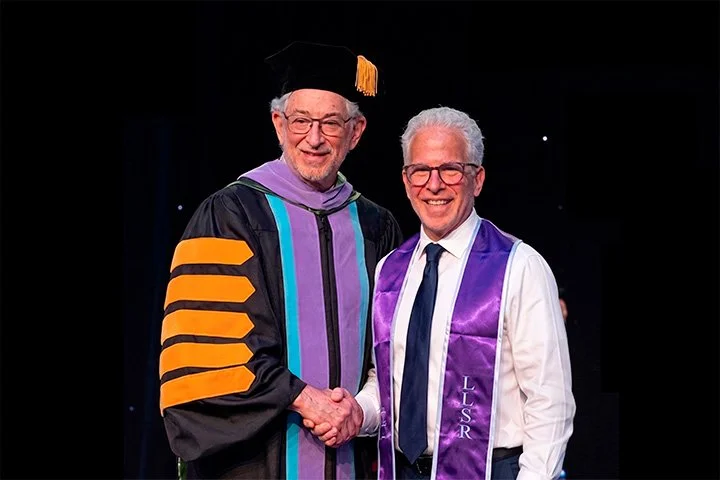
The APBD Research Foundation is excited to share that Matthew Gentry, PhD -- a member of our Scientific and Medical Advisory Board -- -- has been selected as 1 of 10 recipients of the Oxford-Harrington Rare Disease Centre’s 2025 Rare Disease Scholar Awards.

Dr. Matthew Gentry
Dr. Gentry is a Professor and Chair of Biochemistry & Molecular Biology in the College of Medicine at the University of Florida. He is a prominent brain metabolism scientist who has made groundbreaking discoveries in the realm of brain glycogen and glucose metabolism and how changes in these pathways impact neurological diseases. Dr. Gentry’s lab works on rare neurological glycogen storage disorders, as well as the role of glycogen in more common neurodegenerative diseases and cancers. He and his team focus on defining disease mechanisms, pre-clinical drugs, and clinical biomarkers for these allied disorders.
As a Rare Disease Scholar Award recipient, Dr. Gentry received $100,000 to support his research aimed at advancing a promising laboratory-developed enzyme therapy that crosses the blood brain barrier, penetrates cells, and degrades polyglucosan bodies (PGBs). By receiving this Award, he will also have access to additional advisory support and acceleration funds, and to qualify for investment funds up to $1,000,000 according to project requirements.
Natacha Pires, MS, the Foundation’s Executive Director, shared, “For individuals with neurological glycogen storage diseases (n-GSDs) -- including APBD, Lafora Disease, Pompe Disease, Glut1 Deficiency Syndrome, and Cori Disease, among others -- this preclinical therapy development is a step towards cross-disease research. It offers researchers, clinicians, and patient advocacy organizations an opportunity to work together on advancing and accelerating therapy development beyond the constraints of our respective rare diseases.”
The n-GSDs refer to a group of rare inherited disorders that share deficits in neurological glycogen metabolism resulting in abnormal glycogen build-up in the brain and other tissues. Patients with nGSDs develop a range of progressive neurodegenerative symptoms -- depending on the disease -- that can include seizures, motor dysfunction, respiratory failure, cognitive decline, and / or intellectual disability.
Dr. Gentry shared, “Currently, there are no effective treatments for nGSDs. Importantly, multiple laboratories utilizing independent nGSD mouse models have demonstrated that brain polyglucosan bodies (PGBs) are the causative agent driving nGSDs and, thus, the therapeutic target.”
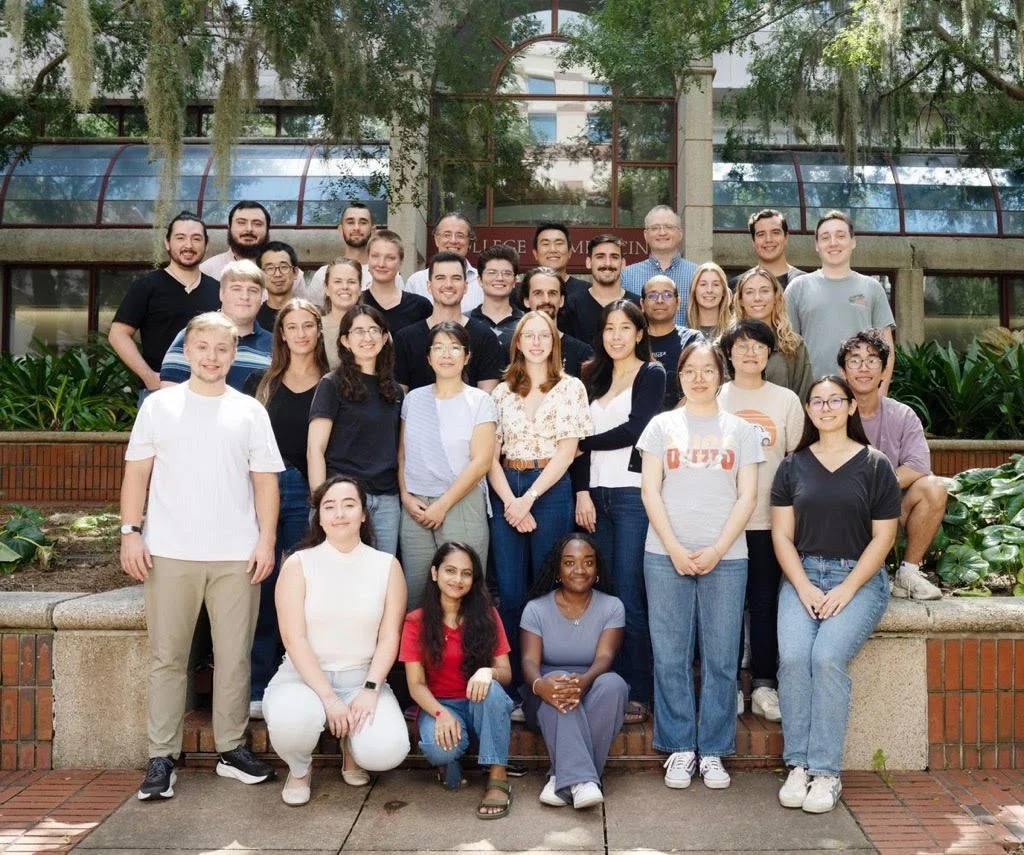
Dr. Gentry with his team
“Data from mice and humans indicate that there is a critical window of opportunity to clear PGBs and, therefore, ameliorate and potentially reverse portions of the disease course. In collaboration with the Gorman and Wang groups (Wyss Institute, Brain Targeting Program), my laboratory has developed an enzyme therapy that crosses the blood brain barrier, penetrates cells, and degrades PGBs. This award provides assistance in completing pre-clinical work and expertise in converting the therapy into the clinic.” Dr. Gentry added.
We wish Dr. Gentry and his team success!